

Plot vs. Ready House: Which Investment is Better
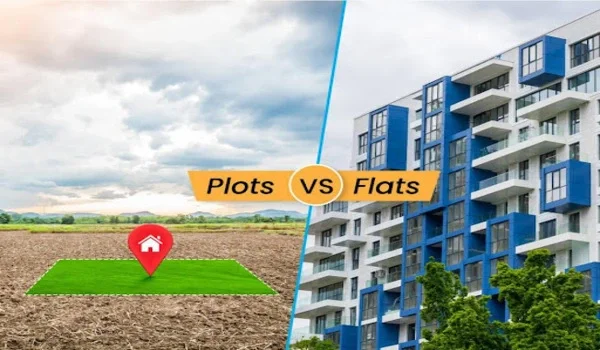
The purchase of a home is more than just a monetary consideration; it is an emotional one as well. I recall the days when my family was lost in the idea of buying a plot and buying a ready house. After some discussions we decided that a ready house would be comfortable because we could move straight in, and a plot would be the ideal option, as we could create something to our dreams. We spent days researching pricing, location, building costs, and future returns. After that experience we realized that Plot vs. Ready House is not just a choice between land and a house but one where you select a property that suits your lifestyle, budget, and future plans.
Whereas, in the event that you are just as confused between purchasing a plot or a ready-to-move house, comprehending the pros and cons of every choice can make it easier for you to make an informed choice.
What is a plot investment?
A plot investment is a parcel of land that is being bought to be developed for a house in the future or for the long term to appreciate in value.
Home buyers may favor residential property because they appreciate:
- All of them are free to plan their own homes.
- Long-term investment potential
- Flexibility in construction
- Lower immediate maintenance
- Constructed to a high standard. Quality of construction (control).
A plot provides you with the chance to design your own house.
What is a ready house?
A ready house is a property that is completed and ready to occupy and is usually available for immediate occupation, subject to the approvals and documentation required for the property.
It may include:
- Independent houses
- Villas
- Builder floors
- Ready-to-move residential properties
The clear benefit is that it will be convenient. The moving-in doesn’t have to wait until the construction is completed.
Plot vs. Ready House: Key Differences
The right one will be determined by a number of factors, such as budget, convenience, appreciation, construction needs, and plans for the future.
1. Initial Investment
The first and most significant difference between a plot and a ready house is the price.
A plot can be cheaper than a built-up house in the same area. However, take into account future construction costs.
A ready home will cost more due to the cost of land and construction.
Don’t just look at the price; calculate the total cost of ownership first.
2. Construction Freedom
This is where plots have a significant benefit.
When you buy a plot, you will be able to choose:
- House layout
- Number of floors
- Room sizes
- Parking space
- Interior design
- Construction materials
You can design your own home to suit your family’s character.
A home that already has a house is one that has a structure and layout already decided. Renovations might be feasible, but large changes can be costly or limited.
3. Convenience and Time
A ready house is typically more convenient to obtain if you need a house right away.
The paperwork can be done, and you can move in without waiting for months or years for the building to be constructed.
A plot requires additional time for:
- Architectural planning
- Approvals
- Contractor selection
- Construction
- Interior work
If families do not want to experience the stress of construction, a ready house may be a more convenient choice.
4. Long-Term Appreciation
Plots can appreciate, as well as ready houses, but the rate and trajectory of appreciation may be different in the case of both plots and ready houses.
The following features may be advantageous to a plot of land in a developing site:
- New roads
- Improved connectivity
- Commercial development
- Schools and hospitals
- Growing population
Land can be valuable even if it’s not being built upon.
A ready house will also gain value, but the structure can diminish in value or go into need of renovation as it grows older.
Many long-term investors would opt for land-based investments in order for this to happen.
5. Maintenance Costs
In general, plots do not need much maintenance prior to construction.
The boundary may need to be kept, secured, and the area kept clean.
The following are some of the activities that should be carried out on a monthly basis on a ready house:
- Plumbing repairs
- Electrical work
- Painting
- Roof maintenance
- Fixtures and fittings
- General repairs
These costs can add up in the years.
6. Rental Income
If the house is situated in an appropriate rental market, then a ready home can offer instant rental income.
A vacant plot, however, does not attract regular income unless it is employed for a commercial or other appropriate purpose as per the zoning.
So, in cases where cash flow is a big objective for the investment, a ready property might hold a benefit.
7. Financing Options
The financing options offered will depend upon the property type, lender, location, approvals, and borrower profile.
Some lenders offer loans for approved residential plots, and ready houses can be eligible to avail home loans as per the norms of the lender.
Always compare:
- Interest rates
- Loan tenure
- Processing charges
- Down payment
- Eligibility conditions
Avoid buying a home just because the monthly EMI seems affordable.
8. Risk and Documentation
There is a need for careful legal verification of both investments.
Prior to purchase of the plot, inspect:
- Title deed
- Ownership records
- Land-use status
- Layout approval
- Encumbrance records
- Applicable authority approvals
If you’re looking at a ready home, also check:
- Building approvals
- Completion or occupancy documentation where applicable
- Sale deed
- Property tax records
- Utility records
Even if it appears to be a dream come true, a property with incomplete documents can cause significant issues.
Which is Better for Investment?
The answer to Plot vs. Ready House is subjective, as it depends on your goals.
Specify a plot if:
- You want long-term appreciation.
- The need not be immediate.
- You wish to build a house of your own.
- You can control future construction.
- You like having more options.
If you are looking for a home that is ready, choose a Ready House If:
- You have an urgent need to find a house.
- You don’t want to suffer construction stress.
- You must have rental income.
- You like to comfortably hold the ball.
- You have a definite preference for a current property.
Tips Before Buying
No matter what you select, it’s important to avoid the pressure of sales.
Before investing:
- Check out the property in person.
- Compare multiple options.
- Check ownership and approvals.
- Inspect surrounding infrastructure.
- Research future development.
- Work out the total expense.
- Always read contracts thoroughly.
- As needed, seek advice from a property lawyer.
Some additional time to research can be the difference of years of savings.
Final Thoughts
One of the main takeaways from our property search was that there wasn’t “the best home” or “the worst home.” As I reflect on our family’s home search, I realize there was no “the best home” or “the worst home.” The ready house provided comfort and ready use, and the plot provided freedom, flexibility, and a sense of “building something our own.”
So, the choice between Plot vs. Ready House should depend on your financial ability, lifestyle, building preferences, investment plans, and future.
In the case of customization and long-term appreciation of land, then a residential plot could be a great alternative. However, if convenience, immediate possession, and potential rental income are more important, a ready house might be best.
No matter what you decide to do, keep in mind that it’s more than an asset! It is a portion of the savings of many families, dreams, security, and hope for the future. Choose wisely, and when you get the keys (or stand on your own patch of land), you’ll feel good about your choice.
Frequently Asked Questions
1. Which is better to buy, a plot or a ready house?
Depends on your objectives. A plot is more flexible and could be an investment for long-term use, whereas a ready house is ready to use and would be convenient.
2. What is the difference between the price of a plot and a ready house?
These plots can be cheaper at the time of the purchase, but then the construction expenses have to be added. Compare the overall cost before you choose one.
3. Do a plot and a ready house go together?
A plot can increase in value greatly if it is located in an area that is going to benefit from infrastructure and urban development. However, this is a real return that is dependent on the location and market conditions.
4. Is there any income that can be earned from the plot?
An empty house site that does not have an ongoing rental income stream. A house ready for rent can generate an immediate income.
5. Are there any things I should review before purchasing a plot or ready house?
Ensure that ownership, title, approvals, land use, applicable legal documents, location, infrastructure, and any outstanding dues are verified prior to purchase.