
How Infrastructure Development Increases Plot Value
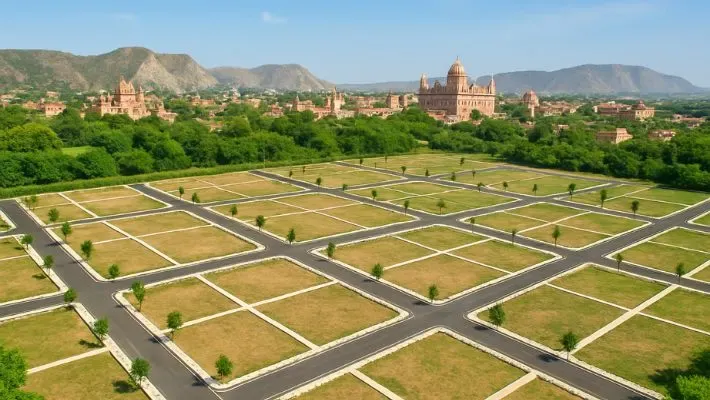
When my family purchased our first residential plot, many relatives questioned our decision because the area looked almost empty. There were only a few houses, unfinished roads, and very little commercial activity. At first, even we wondered if we had made the right choice. But before investing, we had carefully studied the government’s development plans and upcoming infrastructure projects. Over the next few years, we watched new roads being built, schools and hospitals opening, and shopping complexes gradually transforming the locality. The value of our property increased significantly, proving that infrastructure development increases plot value more than almost any other factor in real estate. That experience taught us a valuable lesson—smart investors don’t just buy land; they invest in locations with a promising future.
If you’re planning to invest in residential plots, understanding the relationship between infrastructure and property appreciation can help you make better investment decisions.
What is infrastructure development?
Infrastructure development is the building and upgrading of public infrastructure to accommodate residential and commercial development.
Examples include:
- Roads and highways
- Metro rail projects
- Airports
- Schools and colleges
- Hospitals
- Water supply systems
- Electricity networks
- Parks and recreation areas
- Commercial complexes
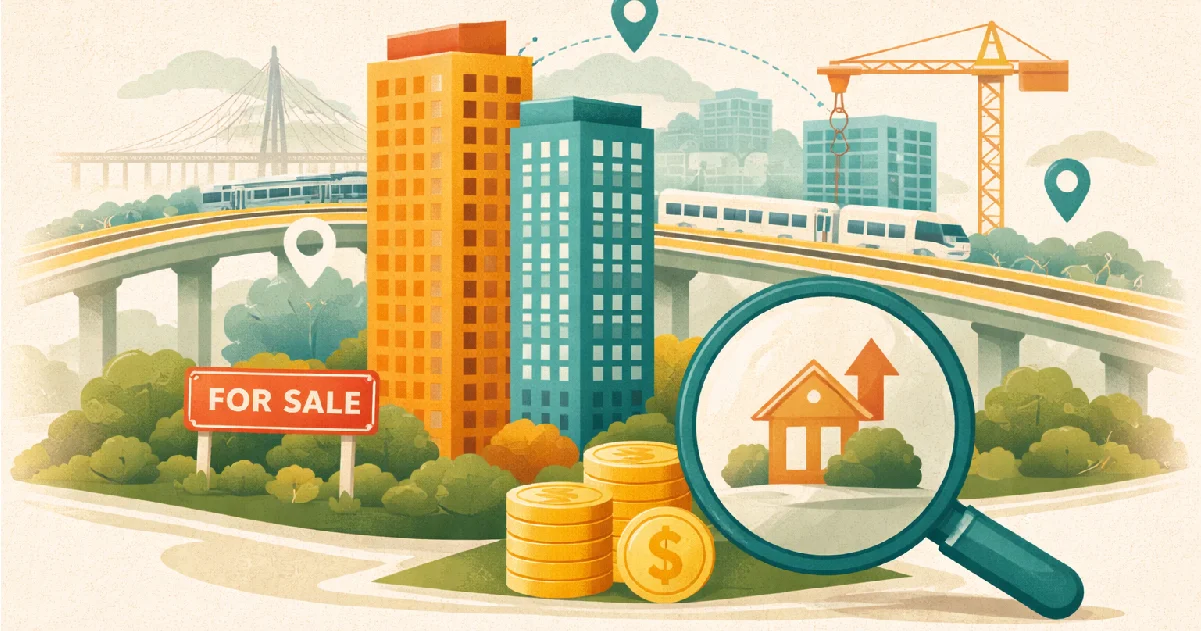
The more infrastructure is developed surrounding a parcel of land, the more desirable the parcel typically becomes and the more demand is placed on it.
Why Infrastructure Matters in Real Estate
There’s one single thing that is an important factor in real estate—the people like places that are convenient and connected.
When infrastructure improves:
- Travel time decreases.
- Life is easier each day.
- Businesses expand.
- Employment opportunities grow.
- Increased family population growth in the area.
When there is a higher demand, the prices tend to go up.
1. Better Road Connectivity
Road infrastructure is undoubtedly a major factor affecting property value growth.
Construction of new highways, expressways, and ring roads increases connectivity and makes travel quicker.
In the regions where there are main roads, the following can be seen:
- Higher buyer demand
- Increased residential development
- Better commercial activity
- Faster appreciation
Excellent connectivity is a feature that encourages homeowners and investors alike.
2. Public Transport and Metro.
The need for public transport plays an important role in real estate demand.
The properties in proximity to the metro stations and big transportation hubs tend to be more appealing due to the following:
- Easy commuting
- Reduced transportation costs
- Better accessibility
- Higher rental demand
Enhanced mobility leads to an increase in property value over time.
3. Educational Institutions
Sustained residential demand is provided by schools, colleges, and universities.
Families tend to look after areas that have quality educational facilities near them.
When educational facilities grow in number, residential lots around the buildings keep gaining in value.
4. Hospitals and Healthcare Facilities
Home buyers are taking care of health care.
Areas with:
- Multi-specialty hospitals
- Clinics
- Emergency medical services
Typically repels people from the area and discourages the long-term value of property.
5. Commercial Development
Business parks, retail markets, office buildings, and shopping malls provide jobs and economic activity.
As commercial infrastructure develops:
- Population increases.
- Housing demand rises.
- Property values appreciate.
Healthy real estate markets are a result of balanced residential and commercial growth.
6. Industrial Growth
Industrial development creates employment opportunities.
As industries expand:
- Workers relocate.
- Residential demand increases.
- Rental demand grows.
- Land values appreciate.
Work areas can develop into long-time real estate expansion hot spots.
7. Government Development Projects
Government investments usually encourage private investment.
Projects such as
- Smart City initiatives
- Ring roads
- Industrial corridors
- Urban development schemes
Frequently turn undeveloped spaces into flourishing neighborhoods.
Knowing what to watch on government announcements can assist investors with spotting growth corridors in advance.
8. Water, sewer, and other basic infrastructure services.
Basic amenities directly impact the livability of an area.
These include:
- Reliable electricity
- Water supply
- Drainage systems
- Internet connectivity
- Street lighting
Purchasers are more interested in plots with good utility infrastructure.
9. Lifestyle Infrastructure
Today’s home buyers appreciate convenience.
Lifestyle infrastructure includes:
- Parks
- Sports facilities
- Restaurants
- Entertainment centers
- Community spaces
All these services enhance the quality of life and expand residential demand.
10. Future Development Plans
This has been one of the biggest things we’ve learned from our own investment experience: study the future instead of the present.
At the time of buying our plot, the area was not developed. We did know, however, that planned roads, schools and commercial projects were on the horizon.
Today’s developments have made this area much more popular—and valuable to us.
Investing in the future is one way to ensure present opportunities.
How to Identify High-Growth Areas
Before investing, research:
- Government master plans
- Infrastructure announcements
- Road expansion projects
- Metro development
- Industrial corridors
- Educational institutions
- Commercial projects
The initial investment in the development of a location has been shown to yield greater returns.
Here are some common mistakes investors make that you need to avoid
Avoid these mistakes:
- Going out and buying just because of the low prices.
- Ignoring infrastructure plans.
- Skipping legal verification.
- Following market rumors.
- Site visits not performed.
Successful investors invest based on research, not speculation.
Tips Before Investing
To maximize returns:
- Select sites that have planned infrastructure.
- Verify legal approvals.
- Read government development plans.
- Make a field visit to the area.
- Seek advice from qualified real estate experts.
Investing in infrastructure is always part of your investment analysis.
Final Thoughts
In retrospect, the number one factor that made our investment successful was preparation, not luck. There was an area with development planned but not completed, in which we invested. As the roads, schools, hospitals and businesses changed the neighborhood over the years, our faith in the power of patient investing became stronger.
Once you have knowledge of how infrastructure development increases plot value, you can alter your real estate evaluation altogether. Don’t just consider current prices, think about tomorrow’s options. Infrastructure creates demand, demand builds appreciation and appreciation builds long term wealth.
With careful research, legal verification, and a view towards future growth, your plot investment can prove one of your most valuable assets.
Frequently Asked Questions (FAQs)
1. Why does infrastructure development increase plot value?
Better infrastructure makes for better connectivity, better access, and better quality of life, leading to higher demand for surrounding residential lots and higher appreciation.
2. What are the most important infrastructure investments that affect the value of plots?
The impact is often the highest for roads, highways, metro rail, airports, schools, hospitals, industrial parks, and commercial developments.
3. How can I identify future growth areas?
Learn about government master plans, infrastructure announcements, road developments, industrial developments, and urban growth plans.
4. Is it more important to have infrastructure or plot direction?
Yes. Plot direction can be significant to some purchasers; however, location, legal approvals, and infrastructure will typically have a more meaningful impact on the value of a property over time.
5. Should I invest before infrastructure is completed?
Where there are existing projects in the infrastructure sector, it may be possible to invest early on, for the benefit of a better appreciation when the term comes up.