

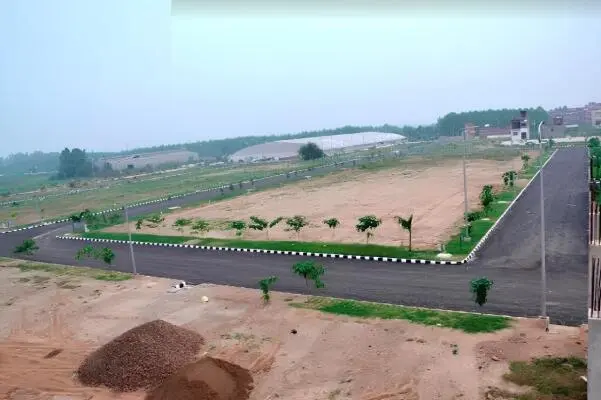
How to Verify a Residential Plot in Jaipur Before Buying
Purchasing land is a serious financial commitment, and knowing how to verify a residential plot in Jaipur can prevent legal issues, monetary losses, and property fraud. When buying a home, many people consider the plot size, location, and price but neglect to pay attention to the legal aspects of the property. For the buyer, a beautiful plot and an attractive offer do not suffice. It’s important to confirm the ownership, approvals, land use, and physical nature of the property before paying a booking deposit or entering into an agreement.
1. Verify the Ownership Documents
The first and foremost thing to do when learning to verify a residential allotment in Jaipur is to ensure that the land is owned by the legal land owner. From the seller, obtain the following ownership documents: sale deed; Patta/allotment documents, if applicable.
Make sure that the owner’s name and property information are accurate on the documents. If there is a multiple sale and purchase history, seek advice from a property lawyer to review the chain of ownership and previous sale deeds.
Look for the legal ability of the property owner to sell the house. When acting by proxy, check the proxy and its authority before doing any actions.
Tip for the buyer: Do not take photocopies or only word-for-word from a broker. Have the documents professionally reviewed by an experienced property lawyer.
2. Check JDA Approval and the Approved Layout Plan
When buying a plot in a Jaipur Development Authority (JDA) regulated area, check with the relevant authority what the status of the approval is.
Request the layout plan approved by the seller/developer and let them know your plot number. Verify that the location, size, access road, and use of the plot are consistent with the approved records.
The colony advertisement or statement of “JDA approved” should not be considered as adequate proof by itself. Check for official approval on the record or at the JDA office.
The official website of Jaipur Development Authority can be used as a starting point.
Note that the actual approvals and permissions needed will vary according to location, land type, and land use.
3. Verify the Land Use and Conversion Status
Some land may originally be recorded as agricultural land. Ensure that any necessary land-use change or other permissions required have been secured before buying it for domestic use.
If applicable, request the necessary conversion order and ensure the proposed residential use is legally allowed.
See if the plot is located in a controlled area, in a proposed road route, within a public facility reservation or in any other planning constraint.
A plotted plan does not automatically mean that the road is legally residential just because it has been plotted or houses have been built around it. The plan for intended use shall be supported by the official records of the relevant authority.
4. Check Rajasthan RERA Registration
While purchasing a plot in a real estate project, make sure the project is registered with the Rajasthan Real Estate Regulatory Authority (RERA) and that the registration is current.
Go to the official Rajasthan RERA website and use the project name, promoter name, or RERA registration number to search.
Check the data on the portal against the data given by the developer. Look at the project status and other information that is disclosed. Review the registered project documents and approved layout information as applicable.
RERA registration is a crucial verification process but cannot be considered as the only verification or a substitute for independent title verification or other legal verifications. Some transactions or projects might be exempt from registration, so please consult a qualified professional to determine if it is applicable for your purchase.
5. Check Jamabandi and Other Revenue Records
Records of revenue should enable you to get an idea of the recorded ownership and land information. Depending upon the nature of the property, the relevant records may be Jamabandi, khasra, mutation registers, and other records kept by the revenue authorities.
Check that land identification information matches the land being sold. If the owner’s name, area, boundaries, and land classification appear inconsistent, make sure to ask questions on the matter before paying for the land.
Remember that revenue receipts alone are not proof of legal title. A complete set of records should be looked at by a property lawyer, not one document.
6. Search for Loans, Liens, and Legal Disputes
Prior to completion, check if the property is mortgaged, charged, in court dispute, attached, or competing ownership.
Inquire if there is any current loan or debt owed on the property. Make sure there are the proper searches done on registration documents and court records as applicable by a property lawyer.
Never buy a house based solely upon a promise that the seller will pay off the mortgage in the future if it is mortgaged. A release and settlement of the charge should be properly documented and coordinated prior to, or during, settlement of the transaction.
A specialist legal audit can be useful in determining the risks that might not be apparent on a site inspection.
7. Visit the Plot and Confirm Its Measurements
While documents are very important, a site inspection is also very important. Check if the boundaries, road access, and dimensions are the same as the approved plan and sale documents in the exact location.
Check for any encroachments, boundary issues, access issues, or occupation by another person. Have a competent surveyor measure the plot if needed.
Evaluate practical considerations that include connectivity of the roadways, drainage, water and electric services, and local development. Verify the availability of facilities and proposals for facilities.
A site visit will allow you to review the documents and the real site condition.
8. Read the Payment Terms and Registration Process
Wait until initial checks are satisfactory before making a significant payment; read the agreement carefully.
Verify full price, payment plan, plot information, possession date, the refund policy, the charges, and who will handle the outstanding dues. Get receipts for all payments.
Have a lawyer look over final documents before the sale deed is executed. Get registered with the concerned sub-registrar and complete the mutation/updation of appropriate ownership details.
Don’t make a quick deal just because the seller says the value will appreciate in the near future.
A Practical Checklist for Verifying a Residential Plot in Jaipur
When deciding on the best deal, you should be sure that you have:
- Determined the seller’s identity and ownership papers.
- Consulted with a property lawyer to check the chain of title.
- Verified the approved design and appropriate JDA / local authority permissions.
- Completed Residential Land Use and Land Conversion.
- Verified if Rajasthan RERA registration is done or not, if applicable.
- Scanned receipts and property identification.
- Investigated potential mortgages, disputes, and acquisition issues.
- Inspected the plot and confirmed its measurements.
- Reviewed the agreement, charges, and registration requirements.
Final Thoughts
As well as selecting a plot in Jaipur, it is also crucial to understand how to verify the authenticity of a plot. While a plot can seem very beautiful and affordable, a thorough inspection of the property and its ownership, approvals, land use, income records, and physical boundaries can help you make an informed decision.
For example, you might have a plot you want to get but find out later that it is not the size you expected or that it is not permitted to have a house on it. These are risks you should explore before putting your savings to any use.
We believe that it is better to educate buyers about properties, compare them, and ask questions before deciding. Have time to check the records and to visit the site and get independent legal advice. Taking a little more care before buying can help to safeguard your investment and help to ensure you make a better choice of property.